

Your vehicle is a major investment, and keeping it on the road for years requires more than simply fixing problems when they occur. Following a consistent maintenance schedule can help you protect your vehicle's major systems, improve reliability, and potentially extend its service life.
Routine maintenance allows you to address wear and developing problems before they turn into major repairs. From changing fluids and replacing filters to servicing brakes and inspecting suspension components, each service plays an important role in keeping your vehicle operating properly.
How Maintenance Supports Vehicle Longevity
Every time you drive, your vehicle's engine, transmission, brakes, steering, suspension, cooling system, and other components experience wear. Regular maintenance helps minimize that wear and keeps these systems operating as designed.
For example, clean engine oil helps lubricate internal engine components and reduce friction. Fresh coolant helps regulate engine temperature and protect the cooling system. Properly maintained brakes help you stop safely while reducing unnecessary wear on related components.
When you follow your manufacturer's recommended maintenance schedule, you can identify worn parts and fluids before they cause additional damage. This proactive approach can help you avoid premature component failure and keep your vehicle dependable for more miles.
Change Your Engine Oil and Filter
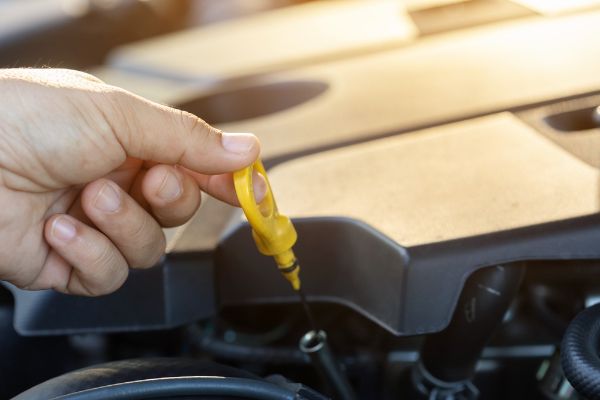
Regular oil changes are among the most important maintenance services you can perform. Your engine depends on oil to lubricate moving components, reduce friction, carry away heat, and help prevent contaminants from damaging internal parts.
As oil ages, it can become contaminated and lose some of its ability to protect the engine. A clogged or dirty oil filter can also restrict proper oil flow.
Following the recommended oil change interval for your vehicle helps ensure that the engine receives the lubrication it needs. Depending on your vehicle, driving habits, age, and manufacturer recommendations, you may need conventional, synthetic blend, or full synthetic oil.
Keep Your Cooling System Maintained
Your cooling system helps keep your engine operating within its proper temperature range. It relies on coolant, the radiator, water pump, thermostat, hoses, and other components to move and regulate heat.
Over time, coolant can become contaminated or lose its protective properties. Hoses can deteriorate, thermostats can fail, and radiators can develop leaks.
Regular cooling system inspections and coolant services can help you identify problems before overheating occurs. Preventing repeated overheating is particularly important because excessive engine heat can contribute to serious and expensive engine damage.
Service Your Transmission
Your transmission transfers engine power to the wheels and contains numerous moving components that depend on proper lubrication.
Depending on your vehicle and transmission type, maintenance may include transmission fluid and filter replacement or other manufacturer-recommended services. Fresh fluid helps lubricate internal components and can help manage heat.
Ignoring transmission maintenance can allow contaminated or degraded fluid to contribute to excessive wear. Following your manufacturer's service recommendations can help support long-term transmission performance.
Maintain Your Braking System
Your brakes are safety-critical components that naturally wear as you drive. Brake pads and shoes gradually become thinner, while rotors and drums can also wear or develop damage.
Regular brake inspections allow you to identify worn pads, damaged rotors, leaking brake fluid, sticking calipers, and other problems before they become more serious.
Replacing brake pads before they become excessively worn can also help protect the rotors. If you continue driving with severely worn brake components, you may end up needing additional repairs that could have been avoided with timely service.
Pay attention to warning signs such as:
- Squealing or grinding
- Brake pedal vibration
- Pulling while braking
- A soft or spongy brake pedal
- Increased stopping distance
- Brake warning lights
- Uneven brake pad wear
Replace Filters When Needed
Your vehicle uses several filters to protect its systems and improve performance. Depending on your vehicle, these may include the engine air filter, cabin air filter, fuel filter, and transmission filter.
A dirty engine air filter can restrict airflow to the engine, while a clogged cabin air filter can reduce airflow through the heating and air conditioning system.
Fuel filters help prevent contaminants from reaching fuel system components. Keeping these filters clean and replacing them according to your manufacturer's recommendations can help protect the systems they serve.
Maintain Your Battery and Charging System
Your battery provides the electrical power needed to start your vehicle and supports numerous electrical systems. The alternator keeps the battery charged while your vehicle is running.
A weak battery, failing alternator, corroded terminals, or damaged cables can leave you with starting problems or an electrical failure.
Regular battery and charging system inspections can help identify declining battery performance and charging problems before they leave you stranded.
Keep Up With Tire Maintenance
Your tires are the only components connecting your vehicle directly to the road, making tire maintenance essential for both safety and longevity.
Check your tire pressure regularly and maintain the pressure recommended by your vehicle manufacturer. Proper inflation can promote even tire wear and help your vehicle handle properly.
You should also have your tires rotated according to the recommended interval and have the alignment checked when necessary. Uneven tire wear can be a sign of alignment or suspension problems that need attention.
Inspect Your Steering and Suspension
Your steering and suspension systems affect how your vehicle handles, rides, and maintains contact with the road.
Components such as shocks, struts, control arms, ball joints, tie rods, sway bar links, bushings, and wheel bearings can wear over time.
Regular inspections can help you identify worn components before they contribute to uneven tire wear, poor handling, or additional damage.
Replacing worn suspension and steering components when necessary helps maintain proper vehicle control and can protect other connected components from excessive stress.
Replace Belts and Hoses
Belts and hoses are exposed to heat, pressure, vibration, and constant movement. Over time, they can become brittle, cracked, stretched, or weakened.
A worn serpentine belt can affect components such as the alternator, water pump, and air conditioning compressor, depending on your vehicle's design. A failed coolant hose can cause a significant coolant leak and potentially lead to overheating.
During routine maintenance, have belts and hoses inspected for signs of wear and replace them according to your vehicle manufacturer's recommendations.
Don't Ignore Warning Lights
Your vehicle's warning lights provide important information about potential problems. Whether you see a check engine light, battery light, oil pressure warning, brake warning, or temperature warning, you shouldn't ignore it.
A warning light doesn't necessarily mean you have an expensive repair ahead of you. In many cases, addressing a problem early can prevent additional damage.
If a warning light appears, have the vehicle properly diagnosed so you can determine what caused it and what repairs are necessary.
Follow Your Manufacturer's Maintenance Schedule
One of the best ways to determine what your vehicle needs is to follow the maintenance schedule provided by its manufacturer.
Your recommended schedule may include services based on mileage, time, driving conditions, and vehicle usage. Some vehicles require more frequent service if you regularly tow, haul heavy loads, drive in extreme temperatures, or frequently make short trips.
Your maintenance schedule may include:
- Oil and filter changes
- Tire rotations
- Brake inspections
- Fluid inspections and changes
- Air and cabin filter replacement
- Transmission service
- Coolant service
- Battery inspections
- Spark plug replacement
- Belt and hose inspections
- Steering and suspension inspections
- Wheel alignment checks
- Fuel system service
- Differential and transfer case service on applicable vehicles
Following these intervals gives you a proactive way to keep track of wear and address problems before they become major failures.
Timely Repairs Matter, Too
Maintenance and repairs work together to support vehicle longevity. Even with excellent maintenance, components will eventually wear out and need to be replaced.
Replacing a worn brake pad, failing water pump, leaking hose, damaged suspension component, or weak battery when the problem is identified can help prevent the failure from affecting other systems.
For example, replacing worn brake pads before they damage the rotors can reduce the scope of a brake repair. Replacing a failing cooling system component before your vehicle overheats can help protect the engine from serious damage.
The goal isn't to replace parts unnecessarily. It's to identify legitimate wear and problems and address them before they create additional issues.
A Long Vehicle Life Starts with Consistent Care
Getting more years and miles from your vehicle doesn't happen by accident. Regular maintenance, inspections, fluid services, and timely part replacements can help you protect the systems that keep your vehicle running.
By following your manufacturer's recommended maintenance schedule and paying attention to changes in how your vehicle sounds, feels, and performs, an auto repair shop like Tech Hedz Automotive can catch many problems earlier.
Taking care of your vehicle today can help you avoid unnecessary wear, reduce the likelihood of unexpected breakdowns, and keep your vehicle dependable for the long haul. Schedule service today!